Complete Guide to the World of Orbis
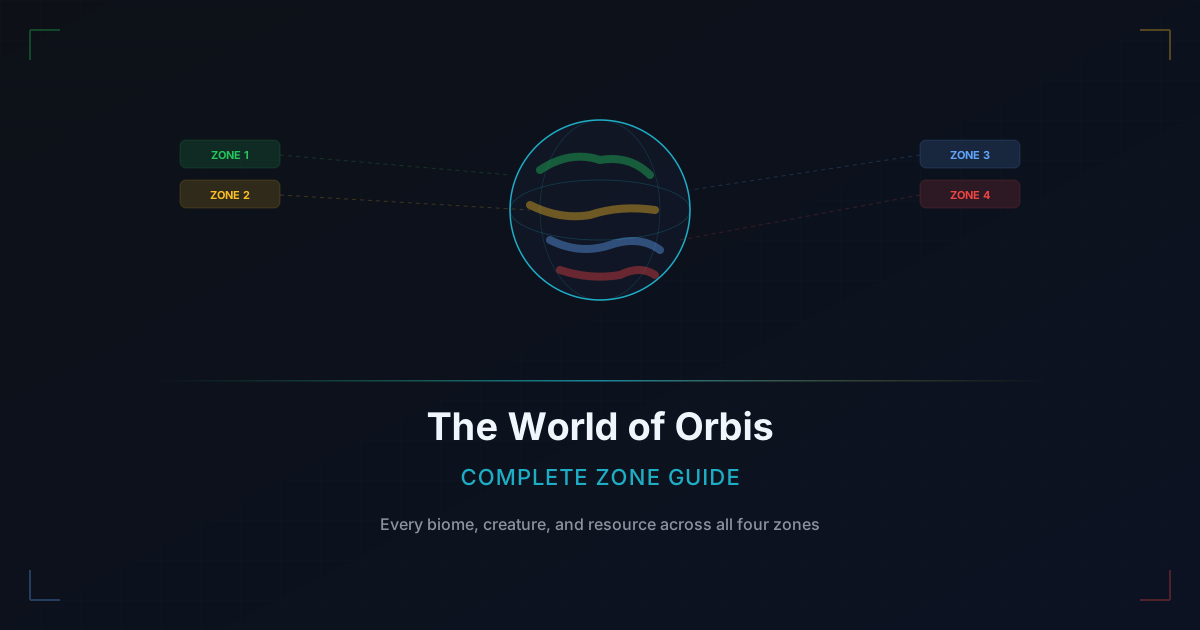
Orbis is the vast, procedurally generated world at the heart of Hytale. Spanning four distinct zones, each with unique biomes, creatures, and resources, Orbis offers hundreds of hours of exploration. This guide breaks down every zone and what you will find there.
How Orbis Works
When you create a new world in Exploration Mode, Orbis generates an infinite landscape divided into zones. Each zone has a distinct climate, visual style, and difficulty level. As you travel further from your starting point in Zone 1, the environment becomes increasingly hostile, but the rewards grow to match.
Zones are separated by oceans. You will need to cross open water to reach new zones, which adds a natural progression barrier. Each zone contains multiple sub-biomes with their own terrain features, vegetation, and creature populations.
Zone 1: Emerald Wilds
The Emerald Wilds is where every player begins their journey. It is the most forgiving zone, with mild weather, abundant resources, and manageable enemies. This is where you will learn the basics of survival, crafting, and combat before venturing into harder territory.
Sub-Biomes
- Plains and Prairies - Wide open grasslands perfect for building your first base. Resources are plentiful and visibility is high, so threats rarely catch you off guard.
- Dense Forests - Thick canopies of trees providing wood, mushrooms, and foraging opportunities. Watch for creatures hiding among the trees.
- Autumn Forest - A variation with warm orange and red foliage. Similar resources to the dense forest but with a distinct visual character.
- Azure Forest - An enchanted, glowing forest with bioluminescent plants. Rarer resources can be found here, and the atmosphere is unlike anything else in Zone 1.
- Seedling Woods - Young, sparse forests that are easy to navigate and harvest.
- Swamps - Murky wetlands with unique plants and creatures. Movement is slower here, and some enemies use the water to their advantage.
- Rocky Outcrops - Elevated terrain with exposed stone and early-tier ore deposits. Good for gathering building materials and metals.
What to Expect
- Resources: Wood, stone, copper ore, basic herbs, and farmable crops
- Enemies: Low-tier creatures that teach you combat fundamentals without overwhelming you
- Difficulty: Beginner-friendly. Ideal for learning the game at your own pace.
Zone 2: Howling Sands
The Howling Sands is a punishing desert landscape where heat and dehydration become constant threats. The terrain is vast and open, making it easy to get disoriented. Resources are scarcer than in Zone 1, but higher-tier ores and unique materials make the trek worthwhile.
Sub-Biomes
- Desolate Basin - Endless rolling sand dunes stretching to the horizon. Navigation is challenging since landmarks are rare. Sandstorms can reduce visibility dramatically.
- Badlands - A scorched savannah with cracked earth, dead trees, and sparse vegetation. Enemies here are tougher and more aggressive.
- Cinder Wastes - An ash-covered ghost forest where fires have left behind charred remnants. The ground is dark and the atmosphere feels desolate. Unique resources can be found among the ashes.
What to Expect
- Resources: Iron ore, thorium deposits, desert-specific plants, and heat-resistant materials
- Enemies: Desert predators, sandworms, and hostile NPCs adapted to the heat
- Difficulty: Moderate. Come prepared with food, water, and at least iron-tier gear.
- Tip: Travel at night when temperatures drop. Daytime exploration without preparation can drain your health quickly.
Zone 3: Whisperfrost Frontiers
A frozen wilderness of towering mountains, frozen lakes, and dense taiga forests. The Whisperfrost Frontiers present a different kind of challenge: bitter cold, treacherous terrain, and creatures adapted to hunt in the snow.
Sub-Biomes
- Taiga Forests - Dense pine forests blanketed in snow. Wolves and other predators patrol these woods, so stay alert.
- Frozen Lakes - Expansive ice sheets covering deep water. The ice can sometimes be thin, so watch your step.
- Mountain Peaks - Towering snow-capped mountains with steep cliffs and hidden caves. Higher-tier ores are embedded in the rock faces.
- Glaciers - Massive ice formations with caverns carved into their interiors. Rare crystals and frozen resources await those brave enough to explore them.
- Winding Rivers - Partially frozen waterways that cut through the landscape, creating natural pathways between areas.
What to Expect
- Resources: Cobalt ore, adamantite deposits, frost crystals, and rare alpine herbs
- Enemies: Ice wolves, frost elementals, and heavily armored cold-weather creatures
- Difficulty: Hard. You need strong gear, cold resistance, and careful resource management.
- Tip: Build shelters along your route. The cold drains stamina faster, and getting caught in a blizzard without cover can be deadly.
Zone 4: Devastated Lands
The most dangerous zone in Orbis. The surface is a volcanic hellscape of lava flows, ash storms, and jagged obsidian formations. Everything here wants to kill you. But beneath the surface lies a stunning contrast: lush underground jungles, subterranean lakes, and cavern ecosystems that feel like an entirely different world.
Sub-Biomes
- Volcanic Surface - Rivers of lava, erupting vents, and toxic fumes. The surface is nearly uninhabitable without specialized gear.
- Ash Fields - Flat expanses covered in volcanic ash with limited visibility during storms. Structures and ruins dot the landscape.
- Underground Jungles - Humid, densely vegetated caverns lit by bioluminescent fungi. These subterranean forests are teeming with life and resources.
- Subterranean Lakes - Crystal-clear underground pools surrounded by glowing mineral formations. Rare aquatic creatures inhabit these waters.
- Magma Caverns - Deep tunnels running with magma, containing the highest-tier ore deposits in the game.
What to Expect
- Resources: Mithril ore, obsidian, volcanic crystals, and the rarest crafting materials in Orbis
- Enemies: Lava creatures, volcanic elementals, and extremely dangerous boss-tier mobs
- Difficulty: Endgame. Do not attempt without mithril or adamantite gear and a full supply loadout.
- Tip: The underground is significantly safer than the surface. Find a cave entrance early and use the subterranean network to travel between points of interest.
Ocean Biomes
Between the main zone islands, vast oceans stretch in all directions. The oceans are not just empty water. They contain their own biome system:
- Shallow Reefs - Colorful coral formations near coastlines with fish, shells, and underwater plants. A good source of food and decorative materials.
- Abyssal Trenches - Deep ocean chasms that plunge into darkness. Dangerous creatures lurk at these depths, but rare resources and sunken structures reward those who dive deep enough.
Boats are confirmed as a coming feature, which will make ocean exploration much more practical.
World Generation V2
Hypixel Studios is actively working on a second-generation world generator. Once complete, V2 will become the default world generator, producing even more varied and visually impressive terrain. Existing worlds will continue working with the original generator, but new worlds will benefit from improved biome transitions, more interesting geological features, and better overall terrain variety.
Exploration Tips
- Mark your path. It is easy to get lost, especially in zones with limited landmarks like the Howling Sands. Use map markers (available since Update 3) with custom names and colors to track important locations.
- Gear up before moving zones. Each zone represents a significant difficulty jump. Make sure your equipment matches the challenge before crossing the ocean.
- Explore underground. Some of the best resources and most interesting environments in Orbis are below the surface. Cave systems connect to larger underground biomes that are often safer than the surface in higher zones.
- Bring supplies. Food, healing items, and building materials for emergency shelters are essential for any extended exploration run.
- Play with friends. Multiplayer exploration is safer and more fun. Coordinate roles so one player focuses on combat while others gather resources.
Orbis is massive, and Early Access has only scratched the surface of what the world will eventually contain. As updates continue to roll out, expect new sub-biomes, creatures, and resources to expand every zone.
Happy exploring!