Hytale Crafting and Resource Guide
Crafting is at the core of progression in Hytale. From your first crude stone tools to endgame mithril weapons, understanding the crafting system and where to find resources will determine how quickly you advance. This guide covers every tier, every material, and where to find it all.
How Crafting Works
Hytale uses a station-based crafting system. Basic items can be crafted from your inventory, but most equipment requires a crafting station. As you progress through material tiers, you will unlock access to more advanced stations that allow you to work with higher-tier resources.
The general crafting loop is straightforward: gather raw materials from the world, process them at the appropriate station, and combine the results into tools, weapons, armor, and building materials.
Resource Tiers
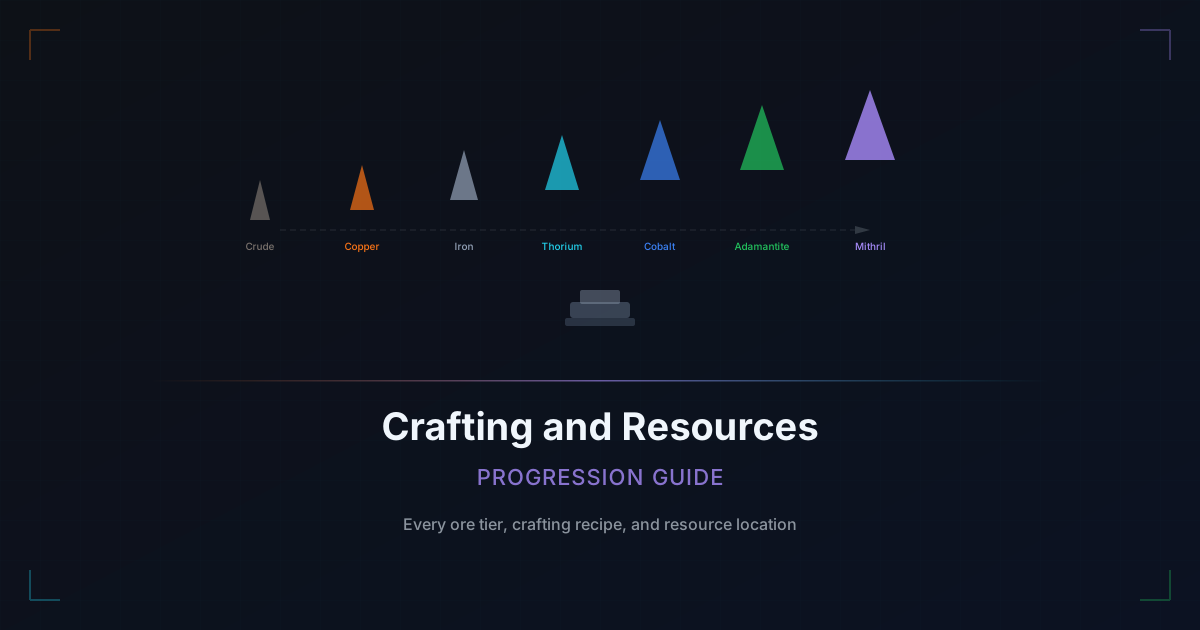
Resources in Hytale follow a clear progression system. Each tier is stronger than the last, and higher-tier materials are found in more dangerous zones.
| Tier | Material | Primary Zone | Difficulty |
|---|---|---|---|
| 1 | Crude (Wood/Stone) | Zone 1 | Starter |
| 2 | Copper | Zone 1 | Easy |
| 3 | Iron | Zone 1-2 | Moderate |
| 4 | Thorium | Zone 2 | Moderate |
| 5 | Cobalt | Zone 3 | Hard |
| 6 | Adamantite | Zone 3-4 | Very Hard |
| 7 | Mithril | Zone 4 | Endgame |
Crude (Wood and Stone)
Your starting materials. Wood is harvested from trees and stone is mined from surface rocks. Crude tools break quickly and deal minimal damage, but they get the job done in the early minutes of a new world.
- Where to find it: Everywhere in Zone 1. Trees and rocks are abundant.
- Best for: First pickaxe, first axe, emergency replacements.
Copper
The first metal tier. Copper ore appears as orange-tinted deposits in rocky outcrops and shallow caves throughout the Emerald Wilds. You will need a furnace to smelt raw copper ore into ingots.
- Where to find it: Zone 1 caves and rocky terrain, usually close to the surface.
- Best for: Your first real set of tools and weapons. A significant upgrade over crude gear.
Iron
The workhorse tier. Iron is more durable and deals more damage than copper, and it is the minimum tier you should aim for before leaving Zone 1. Iron ore is found deeper underground and in larger cave systems.
- Where to find it: Zone 1 deep caves, Zone 2 surface and caves.
- Best for: Mid-game gear. Solid enough to handle Zone 2 threats comfortably.
Thorium
A Zone 2 exclusive material found in the Howling Sands. Thorium deposits glow faintly, making them easier to spot in dark environments. Thorium gear is a meaningful upgrade over iron, with better durability and damage.
- Where to find it: Zone 2 caves and underground deposits, particularly in the Badlands and Cinder Wastes.
- Best for: Zone 2 endgame and preparing for the Zone 3 transition.
Cobalt
Found in the frozen depths of the Whisperfrost Frontiers. Cobalt ore is embedded in ice and stone at high elevations and deep caverns. Mining it requires at least thorium-tier tools.
- Where to find it: Zone 3 mountain caves, glaciers, and deep underground.
- Best for: Zone 3 combat and exploration. Strong enough to take on most threats in the game.
Adamantite
One of the rarest surface-accessible ores. Adamantite appears in Zone 3 and Zone 4, typically in heavily guarded or hard-to-reach locations. The gear it produces is among the best in the game.
- Where to find it: Zone 3 deep caves, Zone 4 caverns.
- Best for: Late-game gear. Excellent durability and damage.
Mithril
The pinnacle of Hytale's material progression. Mithril is found exclusively in the Devastated Lands, often near magma caverns and volcanic vents. Mining and surviving long enough to extract it is the ultimate challenge.
- Where to find it: Zone 4 magma caverns and deep underground volcanic areas.
- Best for: Endgame equipment. The strongest material available in Early Access.
Weapon Crafting
Hytale features six weapon types, each with its own moveset and Signature Ability. Every weapon type can be crafted at each material tier, so you can use your preferred fighting style regardless of your current progression level.
Weapon Types
- Swords - Balanced speed and damage. The most versatile option for general combat.
- Axes - Slower swings with higher damage per hit. Also functions as a tool for chopping wood.
- Spears - Long reach keeps enemies at a distance. Great for cautious players.
- Daggers - Fast attacks with lower individual damage. Excels in rapid combos.
- Hammers - The slowest but hardest-hitting weapon type. Devastating charged attacks.
- Bows - Ranged attacks for engaging enemies before they reach you.
Crafting Recipes
Weapon crafting generally follows a consistent pattern across all tiers:
- Melee weapons: 2-3 material ingots + 1-2 wood (for handle)
- Bows: Wood + string (from plant fiber or animal drops)
- Arrows: Wood + stone/flint + feathers
Higher-tier weapons may require additional specialty materials like leather wrappings or gemstones.
Armor Crafting
Armor is equipped across four slots, each protecting a different body area:
| Slot | Protection Area | Materials Needed |
|---|---|---|
| Helm | Head | Ingots + Padding |
| Gauntlets | Hands/Arms | Ingots + Leather |
| Cuirass | Chest/Torso | Ingots + Fabric |
| Greaves | Legs/Feet | Ingots + Leather |
Armor crafting requires ore ingots combined with secondary materials like fabric, leather, or specialty drops from specific creatures. Higher-tier armor uses rarer secondary materials in addition to better metals.
Armor Tips
- A full set of matching tier armor provides the best protection. Mixing tiers is fine for bridging gaps, but upgrade to a complete set as soon as you can.
- Armor durability decreases with use. Carry repair materials or a spare set on long expeditions.
- Some armor pieces from specific tiers offer small bonuses beyond raw protection, like cold resistance or stamina regeneration.
Tool Crafting
Tools follow the same material tier system as weapons:
- Pickaxe - Mines stone and ore. Higher tiers mine faster and can break harder materials.
- Axe - Chops wood. Also usable as a weapon in a pinch.
- Shovel - Digs dirt, sand, and soft terrain. Useful for landscaping and finding buried resources.
- Hoe - Tills soil for farming.
- Sickle - Added in Update 3 for mass crop harvesting. One swing reaps an entire row of crops.
Always bring tools one tier above what you plan to mine. Trying to mine cobalt with an iron pickaxe is painfully slow.
Farming and Food
Food is essential for sustaining health regeneration during exploration. Hytale's farming system lets you grow renewable food sources near your base.
Getting Started with Farming
- Craft a hoe from any material tier
- Find farmable soil near a water source
- Till the soil with your hoe
- Plant seeds (obtained by breaking wild crops or grass)
- Wait for crops to grow (growth time varies by crop type)
- Harvest with a sickle for maximum efficiency, or break them by hand
Food Types
- Raw crops - Can be eaten directly for small health recovery
- Cooked meals - Combine ingredients at a cooking station for better healing and temporary buffs
- Preserved food - Longer-lasting food items ideal for extended exploration trips
Farming Tips
- Build your farm near your base with a water source nearby. Crops grow faster when irrigated.
- Different crops thrive in different zones. Zone 1 crops will not grow well in Zone 3 conditions.
- Stockpile cooked meals before any zone transition expedition. Running out of food in a hostile zone is a common way new players die.
Crafting Progression Recommendations
Here is a suggested path through the crafting tiers for new players:
- First 30 minutes - Gather wood and stone. Craft crude tools immediately.
- First hour - Find copper ore in Zone 1 caves. Smelt ingots and craft a full copper tool set and at least a copper sword.
- First session - Push for iron. Explore deeper caves in Zone 1. Craft iron tools, weapons, and start on iron armor.
- Before Zone 2 - Complete a full iron armor set and bring plenty of food. A bow is recommended for desert threats.
- Zone 2 - Prioritize finding thorium. Upgrade to thorium weapons first (damage matters more than defense for clearing threats efficiently).
- Before Zone 3 - Full thorium gear minimum. Stock up on warm food and building materials for shelters.
- Zone 3 and beyond - Progress through cobalt and adamantite as you find deposits. Save mithril for your best equipment since the materials are extremely rare.
General Crafting Tips
- Always carry extra materials. Having spare ingots and wood means you can craft replacements in the field when tools break.
- Smelt in bulk. Fill your furnace completely before walking away. Efficient smelting saves time.
- Upgrade your crafting station before your gear. A better station unlocks more recipes and crafts items faster.
- Do not skip tiers. Each tier provides meaningful upgrades. Trying to jump from copper straight to cobalt will leave you underpowered for everything in between.
- Trade with other players. On multiplayer servers, trading surplus materials for ones you need is often faster than mining everything yourself.